A WORLD OF EXPERTISE
Today, across our five CHANDON wineries, our winemaking teams use two principal methods to make sparkling wine: the traditional method – our ancestral method, used to make champagne – and the slow-ferment long Charmat method.
For both methods, our CHANDON winemakers start by crafting a still base wine. This first fermentation takes place in state-of-the-art stainless-steel tanks. Our winemakers craft separate wines from individual grape varieties and vineyard sites. Then, in the tasting room, they blend these, sometimes adding wines that have been reserved from previous years. It’s a highly complex process that’s half science, half art.
At this point, the methods diverge. For both, a second fermentation is necessary to produce the characteristic bubbles, or mousse, of sparkling wine. In the traditional method, this secondary fermentation takes place in the bottle. In our slow-ferment long Charmat method, secondary fermentation takes place in tanks. The two methods are explained in more detail below.
Making the best sparkling wine demands technical prowess, but also prescience. Predicting how a base wine will taste once it has been through all the stages of secondary fermentation, maturation, dosage and bottle age is a key skill of our CHANDON winemakers.
Why do we use two methods, and which is better? We are often asked this.
It’s not a question of quality. Our five houses produce a range of styles of sparkling wine; all are of the highest quality. It’s a question of the style of wine we wish to achieve: at CHANDON, technique follows style, not the other way around. At each CHANDON house, our teams have the freedom to select the method that is right for our fruit, terroir, climate and customers’ tastes. Whichever method our experts choose, they always apply the time and care necessary to achieve a slow awakening of aromas during secondary fermentation; this is what brings the depth of flavor they demand.
Is there a CHANDON house style? Yes. Generally, our wines are fresh and fruity, with just enough complexity and good acidity. They’re approachable and easy to drink – in keeping with our personality.


CHANDON CRAFT
FROM FIELD TO BOTTLE: OUR METHODS EXPLAINED
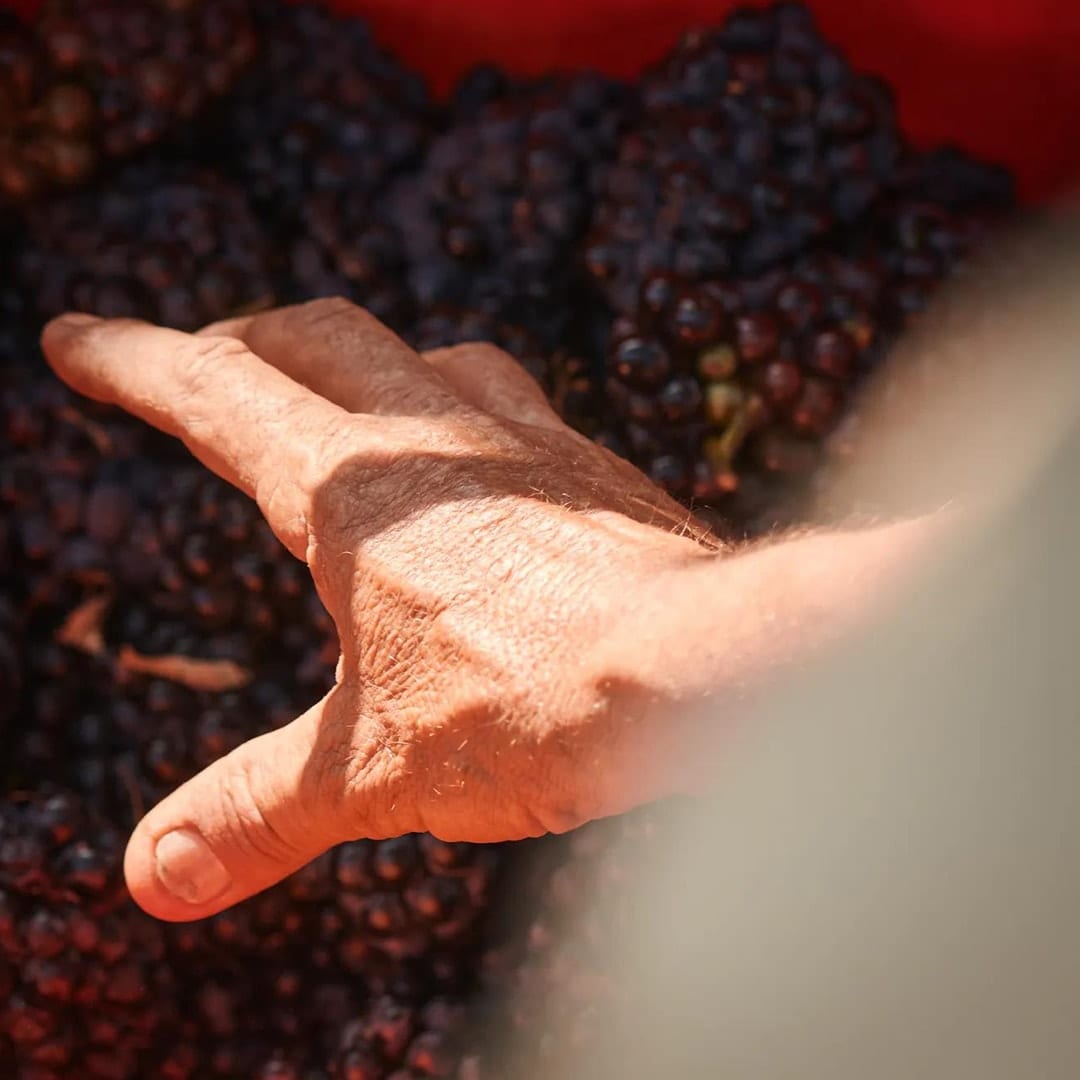
WHERE IT ALL BEGINS
VINEYARDS, GRAPES, VITICULTURE
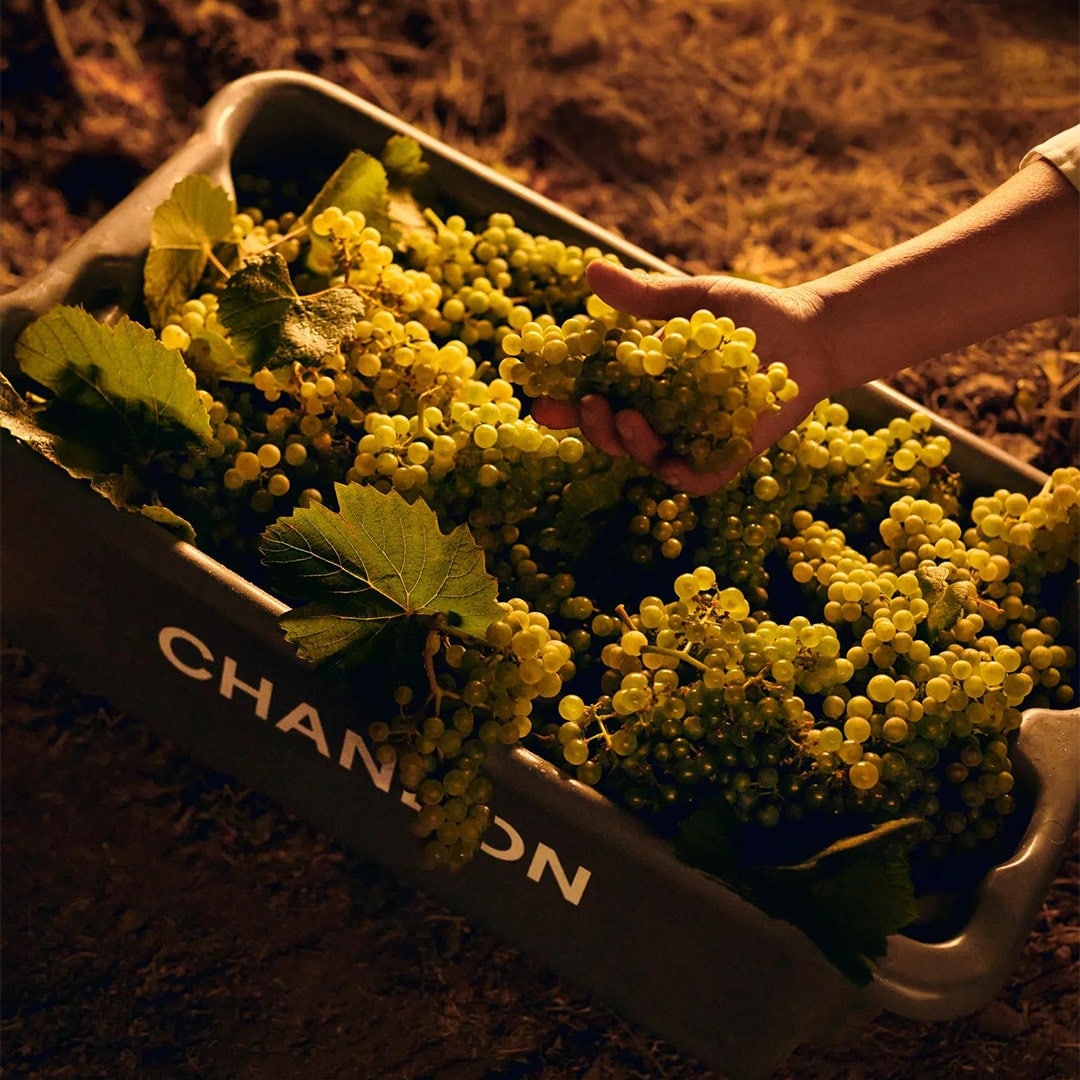
EXTRACTING THE JUICE
PRESSING
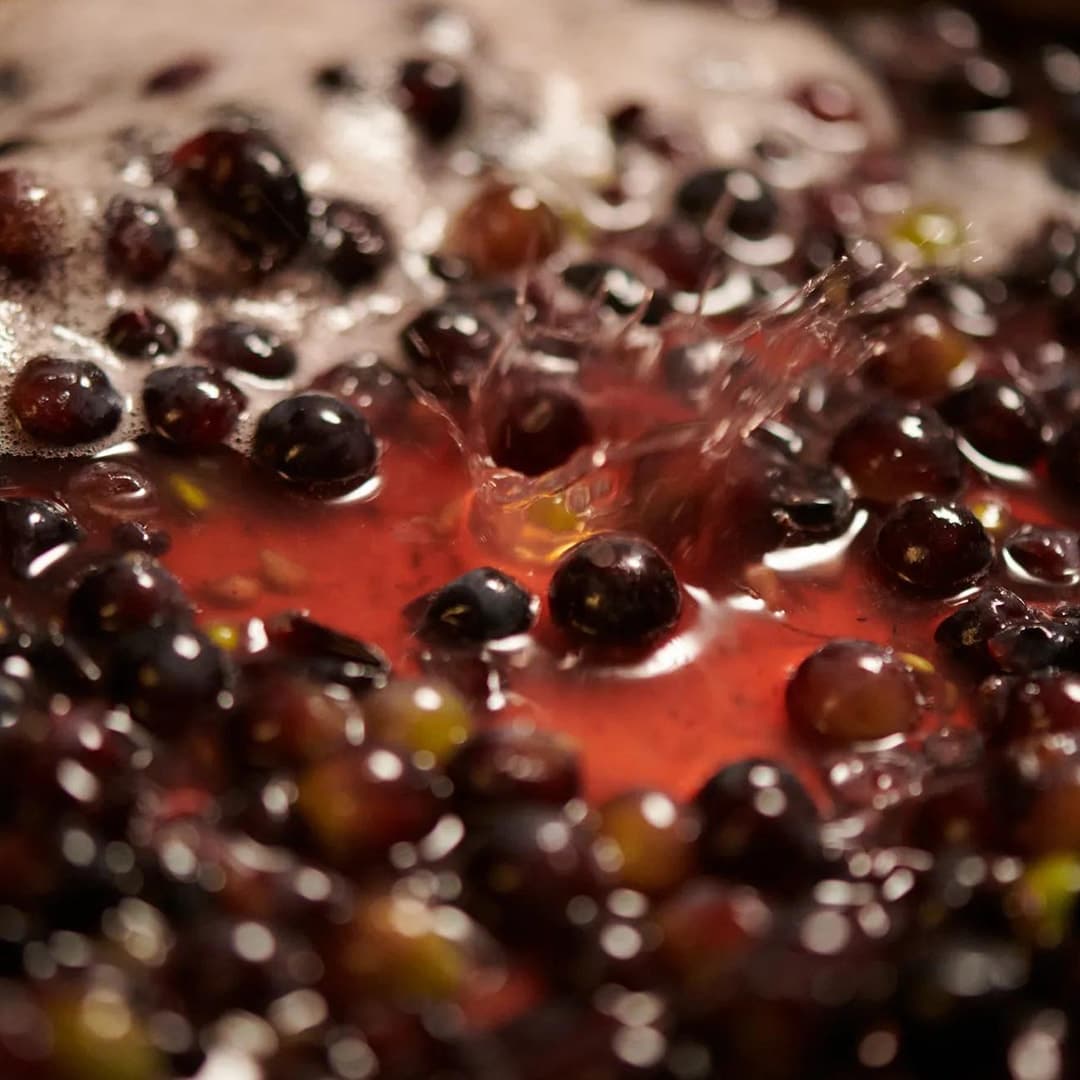
CRAFTING A STILL BASE WINE
FIRST FERMENTATION
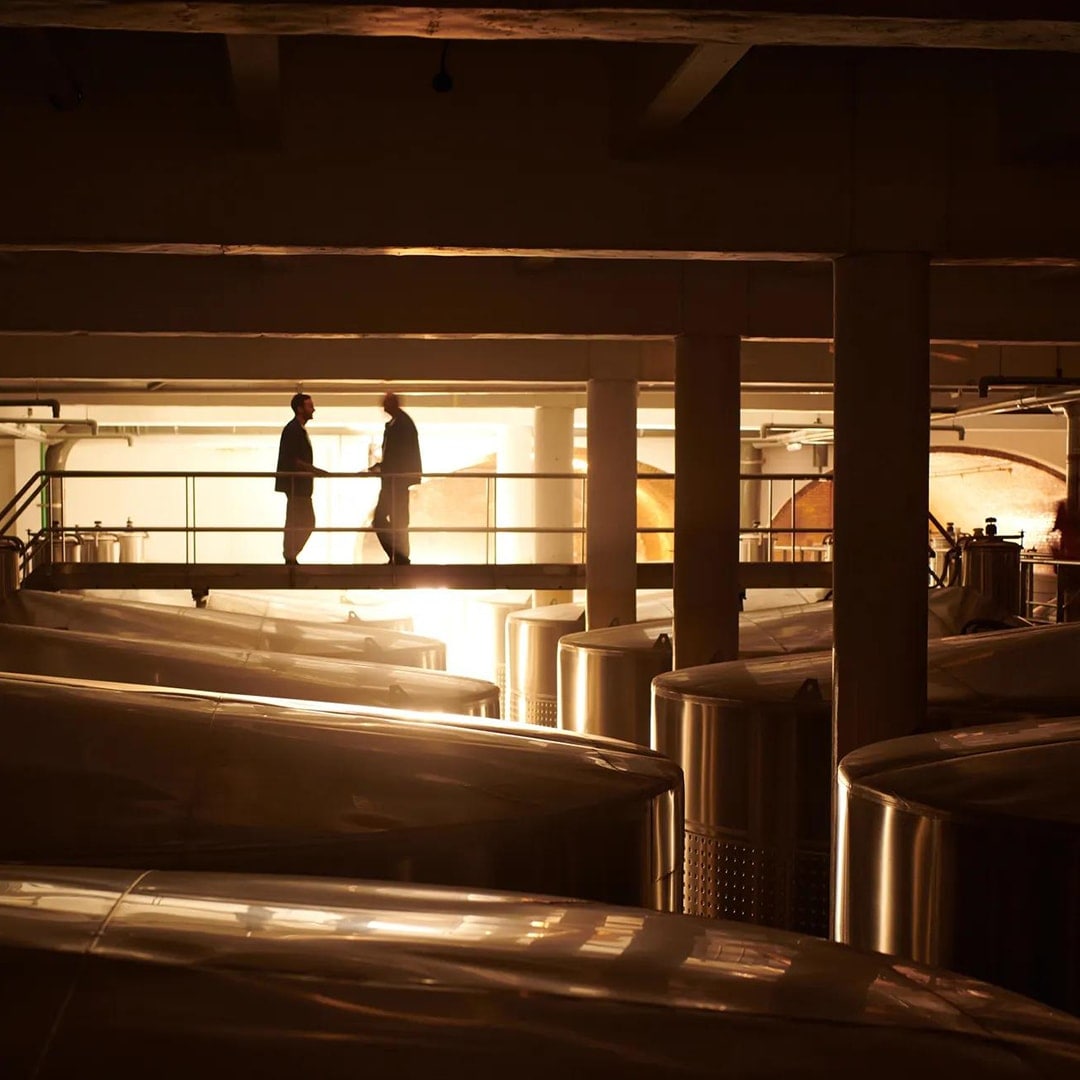
PREDICTING THE FUTURE
BLENDING
THE MAGIC OF BUBBLES
SECONDARY FERMENTATION
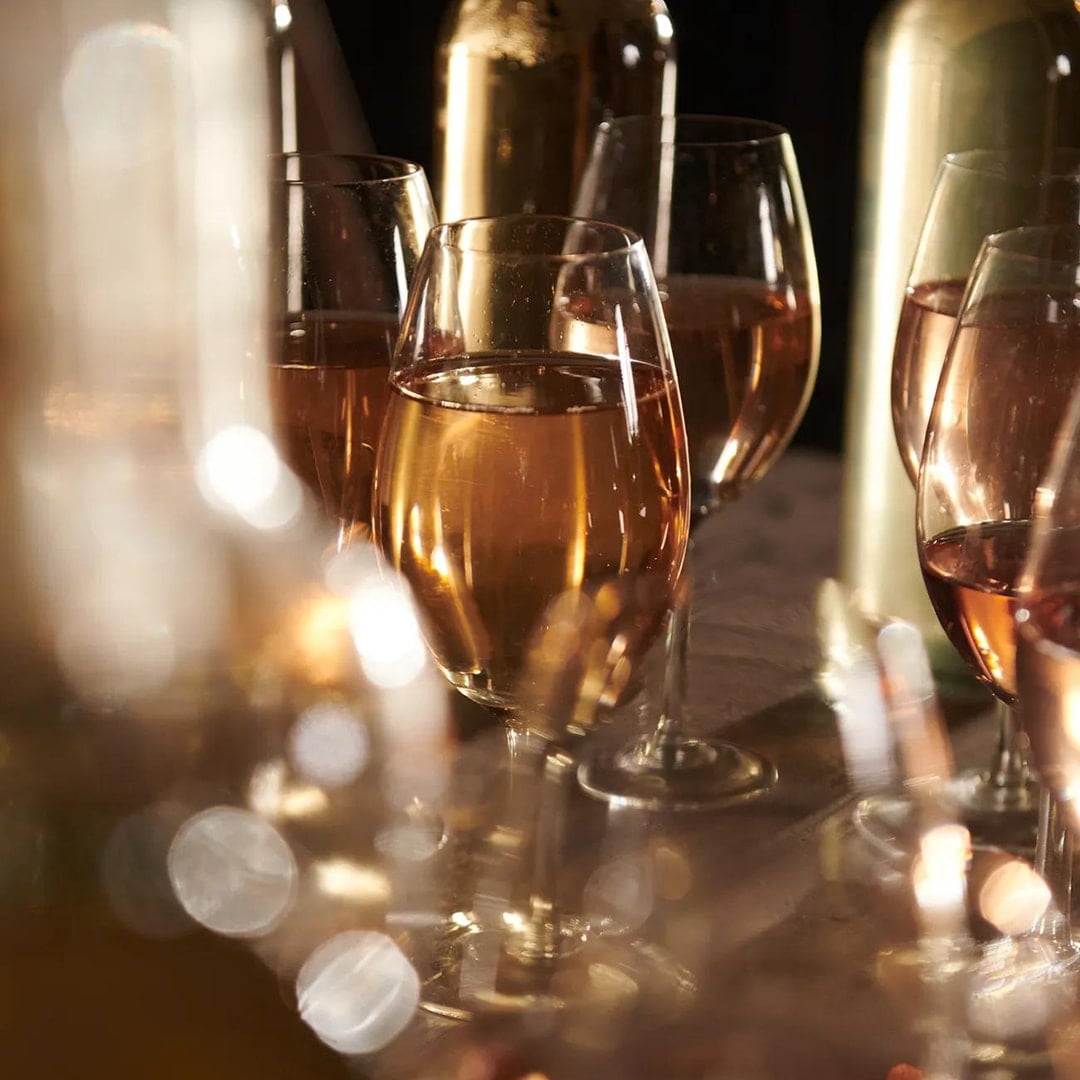
It is now time for secondary fermentation – the bit that creates the sparkle. We mix sugar and yeast to create a syrup known as the liqueur de tirage. We add this to the base wine. The wine must now be allowed to ferment slowly, under pressure, so that the CO2 cannot escape and thus dissolves in the wine. How this is achieved depends on whether our wine teams are using the traditional method or our slow-ferment long Charmat method. This, then, is the point at which the winemaking methods diverge.
TRADITIONAL METHOD
BOTTLE FERMENTATION
TRADITIONAL METHOD
DISGORGEMENT
TRADITIONAL METHOD
DOSAGE
LONG CHARMAT METHOD
SECONDARY FERMENTATION IN TANK